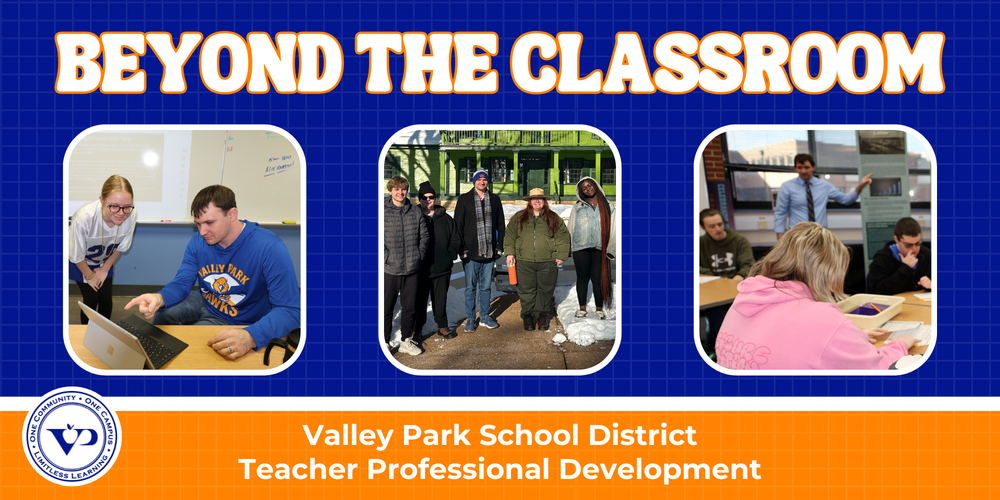
Robert Keough recently attended the American Historical Association 2026 Conference, where he engaged in a wide range of panels and sessions focused on literacy, instructional strategies and the future of history education.
Throughout the conference, educators and historians shared that reading struggles are being felt across all levels of teaching, from K–12 through college. A consistent message emerged: history teachers are also literacy teachers. Sessions reinforced the idea that “history is meant to be read,” emphasizing the importance of helping students build strong reading comprehension skills as they engage with historical texts.
Robert explored a variety of instructional strategies designed to support student learning and engagement. Sessions highlighted the use of podcasts as research and writing tools, including “reverse outlines,” where students break down what they hear and use that structure to write essays. Presenters also emphasized the value of using museum objects and material history as storytelling tools, helping students connect physical artifacts to broader historical themes and narratives.
The conference also offered opportunities to dive into new historical content, including topics related to the Ming Dynasty and imperial history. Robert plans to incorporate this new knowledge into his lessons, providing students with richer context and a deeper understanding of global history. He also intends to apply new strategies for teaching with primary sources and podcasts, giving students multiple ways to access and analyze historical information.
Another key area of reflection was the evolving role of artificial intelligence in social studies classrooms. Sessions encouraged educators to think critically about when AI may support learning and when it may not, keeping historical thinking, literacy and student voice at the center of instruction.
Reflecting on the experience, Robert shared, “Being able to attend an AHA Conference and learn from other teachers, historians, and organizations to talk about history is such a great experience. It’s so rewarding to be surrounded by people who are invested in the field of history and who help to contribute to it to enrich our understanding of the past and also want to see its continued growth and success in the future.”
Professional development opportunities like the AHA Conference help ensure that classroom instruction continues to evolve, providing students with engaging, thoughtful, and literacy-rich learning experiences that connect the past to the world they are living in today.